MetLife Stadium and the 2026 World Cup Final: What Fans Actually Experienced

- Primary Signal: MetLife Stadium and the 2026 World Cup Final: What Fans Actually Experienced
- Overview: MetLife hosted the final but divided opinion: superb atmosphere inside, long queues and poor transport links outside....
- Verification: Analyzed and compiled by 2026 World Cup Central editorial monitoring desk.
MetLife Stadium in East Rutherford, New Jersey, hosted the biggest match of 2026, and it remains the most argued-about venue of the tournament. On 19 July 2026, more than 80,000 fans watched Spain beat Argentina 1-0 after extra time there, with Ferran Torres scoring the winner in the 106th minute. Inside the bowl, the atmosphere was widely praised. Outside it, the experience was a different story, and the debate about whether MetLife should ever have hosted a World Cup final has not gone away.
The case for MetLife was always commercial and logistical. With a capacity of around 82,500, it is one of the largest stadiums in the United States, it sits in the New York media market with three major airports nearby, and it is the home of the NFL's New York Giants and New York Jets. FIFA's reasoning was straightforward: the final would be easier to market in New York than in a smaller city, and the ticket revenue from an 80,000-plus crowd would be enormous. On those terms, the choice worked, and the final was a sell-out spectacle watched around the world.
The case against MetLife was about the fan experience. The stadium, opened in 2010 at a cost of 1.6 billion dollars, has no roof, leaving fans exposed to summer heat, sun and storms. Its location in the Meadowlands means most fans arrive by public transport or rideshare near the American Dream complex, and on final day huge waves of supporters arrived at the same time. Ticket and security checks at both the outer perimeter and the stadium turnstiles effectively doubled the queues, and some fans reported waiting around three hours to get inside, with confusion, line-cutting and a shortage of visible officials.
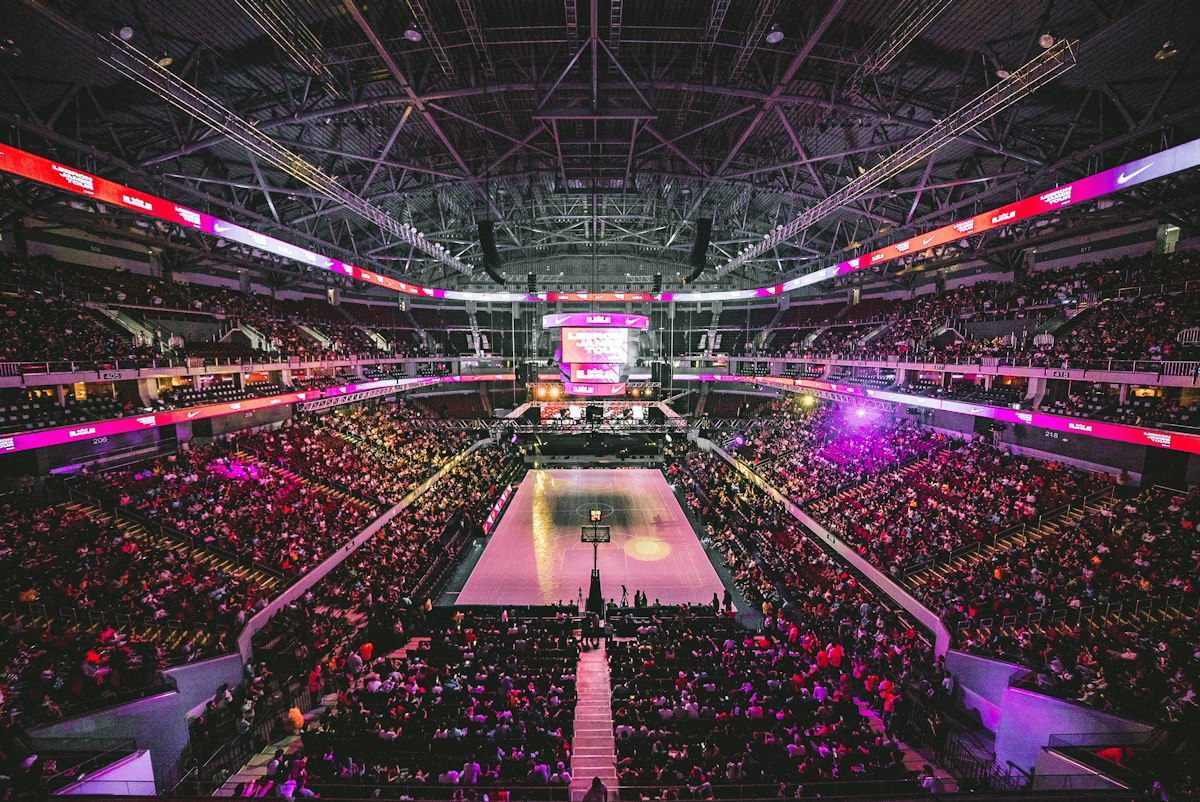
Inside, though, the reviews were far warmer. Writers who rated all 16 venues gave MetLife 9 out of 10 for match atmosphere, noting that the bowl shape means there is barely a bad seat in the house, and that fans turned up three hours before kick-off to create a tremendous atmosphere both outside and inside. The same reviewers scored transport and location just 3 out of 10 and aesthetics 4 out of 10, for a total of 30 out of 50, the lowest of any venue. The pitch also drew criticism, with several teams describing the newly installed natural grass as dry or firm, although FIFA maintained that all pitches were assessed and playable.
So what is the verdict on MetLife 2026? As a television spectacle and a commercial success, it delivered. As a fan experience, it was a tale of two stadiums: electric once you were in your seat, exhausting to reach. Future tournament organisers will study MetLife closely, because its problems, perimeter queues, transport surges, heat exposure and a location built for cars rather than crowds, are exactly the problems that turn a great final into a tiring day out. The football, thankfully, was good enough that most fans left talking about Torres, not the queues, but only just.
The lesson for future final venues is clear, and it goes beyond MetLife. A World Cup final needs more than capacity and a famous city: it needs a transport plan that can move 80,000 people without three-hour queues, shade and shelter for summer heat, and a stadium location that works for fans arriving without cars. The venues that scored best in 2026 were not necessarily the biggest, but the ones where the whole day, from train station to seat to journey home, had been thought through. MetLife delivered a great match and a great atmosphere, but it also delivered a warning. The next final host should be chosen as much for the fan's journey as for the television picture.
📖 Continue Reading the Full Story
Continue reading this article on 2026 World Cup Central.
⚡ Access Full Content NowMore from 2026 World Cup Central


 🏆 WorldCup2026 Cities
Vancouver Stadium and the 2026 World Cup: The Pacific Host City in Review
Vancouver's BC Place was the smallest stadium of the tournament, but the Pacific host city won fans over with ...
 🏆 2026 Football Online
How World Cup 2026 Qualifying Works in Asia: AFC Rounds, Groups and the Final Playoff
Asia has eight direct places at World Cup 2026 plus an intercontinental playoff place. Here is how the AFC rou...
 ⚽ Global Football Odds
World Cup 2026 Betting Preview: What to Know Before the Tournament Kicks Off
The 2026 World Cup is the biggest ever — 48 teams, 16 host cities, and a new format that changes how bettors s...
 ⚽ Football2026 Live
Kylian Mbappe: The Star Showcase of the 2026 World Cup
Ten goals, four assists and a place in history: Mbappe's 2026 World Cup was a star showcase even though France...