World Cup 2026 Knockout Stage Explained: From the Round of 32 to the Final
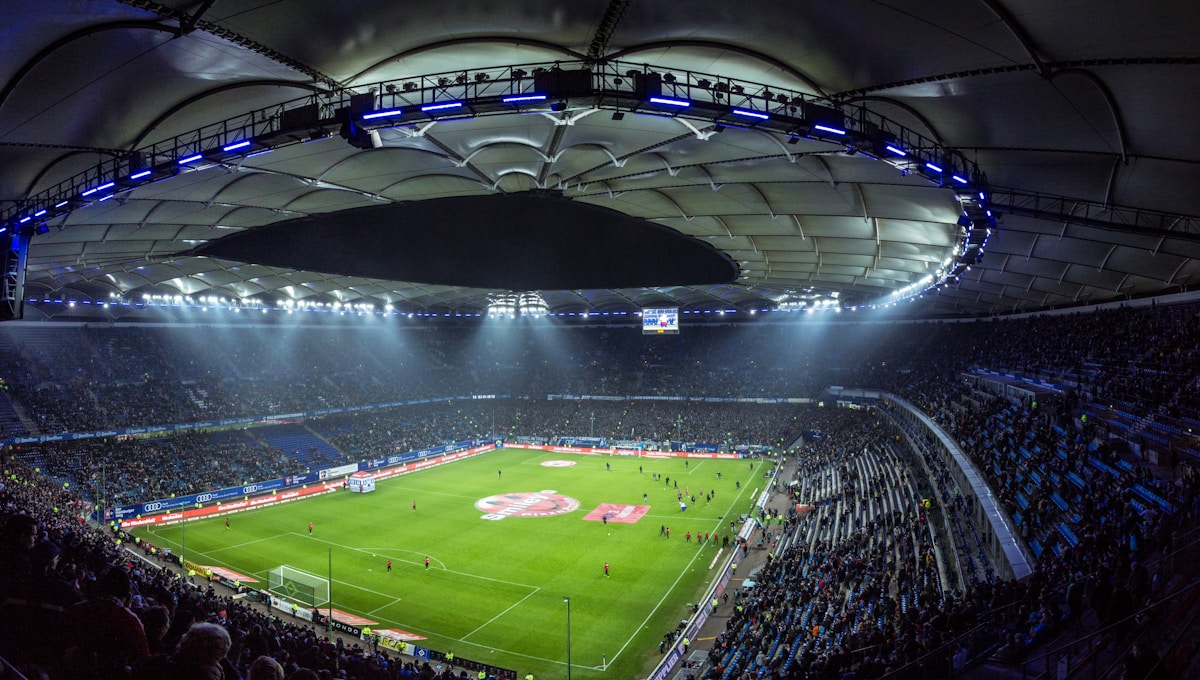
- Primary Signal: World Cup 2026 Knockout Stage Explained: From the Round of 32 to the Final
- Overview: World Cup 2026 has a brand-new knockout stage: a round of 32, then the round of 16, quarter-finals, semi-finals and the final. Here is how it all works....
- Verification: Analyzed and compiled by 2026 World Cup Central editorial monitoring desk.
The 2026 World Cup is the biggest in history, with 48 teams and 104 matches, and its knockout stage looks different from anything fans have seen before. For the first time, there is a round of 32 before the traditional round of 16. That means a team must win five knockout matches to lift the trophy, one more than in previous tournaments. If you are confused about how the bracket works, when each round is played and what happens if games are drawn, this guide explains everything.
How teams reach the knockout stage
The 48 teams are divided into 12 groups of four. The top two teams in each group qualify automatically, giving 24 teams. They are joined by the eight best third-placed teams, making 32. The four worst third-placed teams are eliminated. The ranking of third-placed teams uses points first, then goal difference, then goals scored, then fair play points. This means every goal matters: a team that loses 1-0 has a far better chance of progressing than one that loses 3-0, even if both finish third.
The round of 32: a brand-new round
The round of 32 is new for 2026 and will be played over four days, with eight matches in total each day split across host cities in the USA, Canada and Mexico. Group winners are paired against third-placed teams, while runners-up face each other, rewarding teams that topped their groups. The winners advance to the round of 16. This extra round gives smaller nations a genuine chance of a famous knockout win, and it also means the favourites must survive one more banana skin before the business end of the tournament.
From the round of 16 to the quarter-finals
The round of 16 follows the familiar pattern: 16 teams, eight matches, winners go through to the quarter-finals. By this stage, most of the weaker teams are gone and every match is between two strong sides. The quarter-finals are where the tournament usually produces its defining moments, with four matches that decide the semi-finalists. Teams that reach this stage have already won three knockout games, and fatigue starts to matter: squad depth and rotation become as important as tactics.
Semi-finals and the road to MetLife
The two semi-finals are played in two of the tournament's biggest stadiums, and the winners advance to the final on Sunday 19 July 2026 at MetLife Stadium in New York and New Jersey. The two losing semi-finalists play a third-place match the day before the final, a game that matters more to the players than many fans realise. The bracket is split into two halves, so teams on the same side cannot meet before the final — which means two favourites could be drawn together as early as the quarter-finals.
What happens if a knockout game is drawn
There are no draws in the knockout stage. If the score is level after 90 minutes, the game goes to extra time: two periods of 15 minutes. If it is still level, the match is decided by a penalty shootout. Teams are allowed an extra substitution in extra time, which rewards squads with strong benches. The away-goals rule does not apply, since all games are played at neutral venues. Penalties have decided some of the most famous World Cup matches in history, and with five knockout rounds in 2026, several games are likely to go to a shootout.
Why this knockout stage will be special
The round of 16 has often been the most exciting stage of the World Cup, because the weak teams are gone but enough underdogs remain to produce shocks. In 2026 that excitement starts even earlier, in the round of 32. More knockout games mean more drama, more giant-killings and more chances for a smaller nation to make history. For fans, it also means a longer tournament with high-stakes football almost every day from late June to mid-July. Expect at least two or three huge upsets before the quarter-finals.
More from 2026 World Cup Central