First-Time Visitors to the USA for World Cup 2026: Customs, Money and Phones Explained
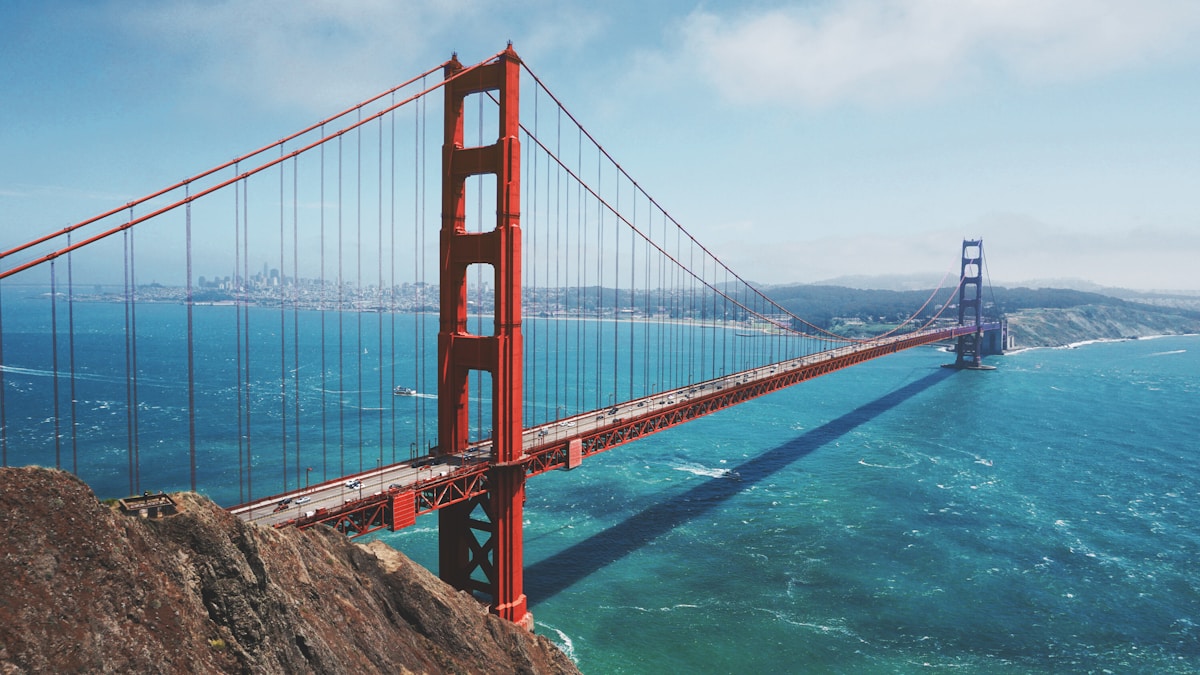
- Primary Signal: First-Time Visitors to the USA for World Cup 2026: Customs, Money and Phones Explained
- Overview: Arriving in the United States for a World Cup match? A first-timer's guide to entry checks, dollars, tipping, SIM cards and staying connected....
- Verification: Analyzed and compiled by 2026 World Cup Central editorial monitoring desk.
For many fans, World Cup 2026 was a first trip to the United States, and the practical details of arrival can feel as daunting as the football itself. Customs halls, immigration questions, unfamiliar money, tipping customs and phone plans all arrive at once, usually after a long flight. A little preparation turns that arrival into a smooth start rather than a stressful one. This guide covers what first-time visitors need to know about entering the United States, handling money, staying connected and getting around, with the focus on matchday realities rather than generic travel advice.
Have your passport, visa or ESTA authorisation, return flight details and first hotel address ready before you reach the desk, because officers commonly ask where you are staying and how long you will remain. Answer briefly and honestly, and keep supporting documents in hand luggage rather than checked bags. After immigration comes baggage reclaim and customs, where you may be asked about food, large sums of cash or goods to declare: when in doubt, declare. The whole process can take over an hour at busy airports during a tournament, so do not book tight onward connections. Once through, follow signs for ground transport rather than accepting unsolicited taxi offers inside the terminal.
The United States is largely card-friendly, and contactless payments work in most stadiums, restaurants and transit systems, but carrying some cash remains useful for tips, small vendors and transit machines. Tell your bank about your travel dates so your card is not blocked, and prefer ATMs inside banks to standalone machines with high fees. Tipping is a real part of American service culture: around fifteen to twenty percent in sit-down restaurants, a dollar or two per drink at bars, and a few dollars for hotel housekeeping. Prices on menus and shelves usually exclude sales tax, so the total at the till will be higher than the listed price, a surprise that catches many first-time visitors.
Your home SIM may work in the United States through roaming, but roaming charges can be steep, so check your plan before departure. Alternatives include a local prepaid SIM, an eSIM bought online before travel, or a pocket Wi-Fi device for a group. Whatever you choose, set it up before matchday, because stadiums are the worst place to troubleshoot connectivity: tens of thousands of phones compete for the same network. Download offline maps, your tickets and your hotel details in advance, and save important numbers, including your embassy and your bank's lost-card line, somewhere accessible without data. A small power bank is essential on matchdays.
American cities vary enormously in public transport quality. Some host cities have excellent rail and bus networks on matchdays, while others are built around cars and require planning. Research your stadium route in advance, including which station serves it and how long the walk is, and consider staying near a transit line rather than near the stadium itself, where prices spike. Ride-sharing apps are widely available but surge after matches, so walking to a quieter pick-up point or waiting thirty minutes can save a great deal. If you rent a car, check toll rules, parking costs near stadiums and whether your licence is accepted, because stadium parking is expensive and often far from the gates.
A few habits make a first American trip smoother. Carry identification, but keep your passport locked in the hotel safe and use a copy or driving licence for daily identification where accepted. Drink water regularly at summer matches, especially in southern host cities, and wear sunscreen for day games in open stadiums. Avoid walking alone late at night in unfamiliar areas, and use official transport after evening matches rather than unmarked cars. Finally, do not assume that rules from home apply: drinking ages, smoking rules and stadium policies differ, and jaywalking, while common, is technically an offence in many cities. Respect local rules and your trip will be remembered for the football, not the paperwork.
📖 Continue Reading the Full Story
Continue reading this article on 2026 World Cup Central.
⚡ Access Full Content NowMore from 2026 World Cup Central



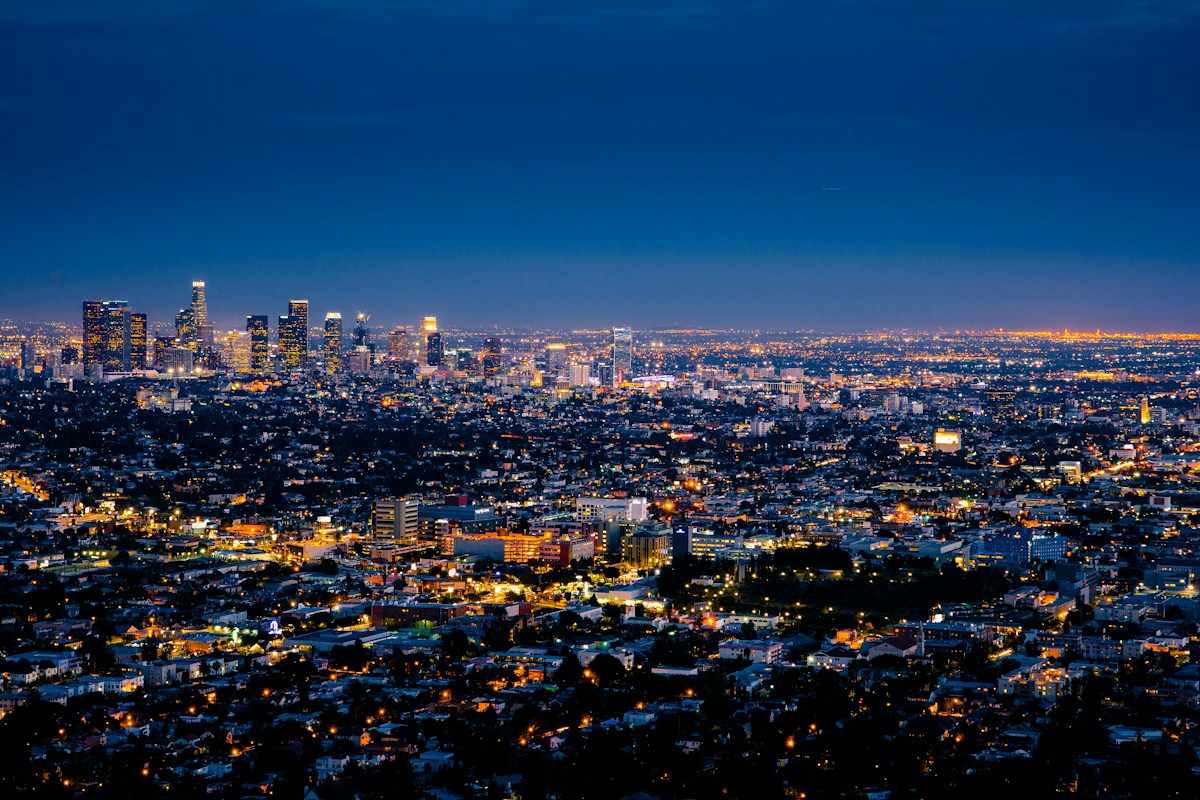 🏆 WorldCup2026 Cities
Los Angeles World Cup 2026 Guide: Beaches, Traffic and SoFi Stadium
SoFi Stadium in Inglewood is a world-class bowl in a sprawling city: how to beat LA traffic, mix beach days wi...
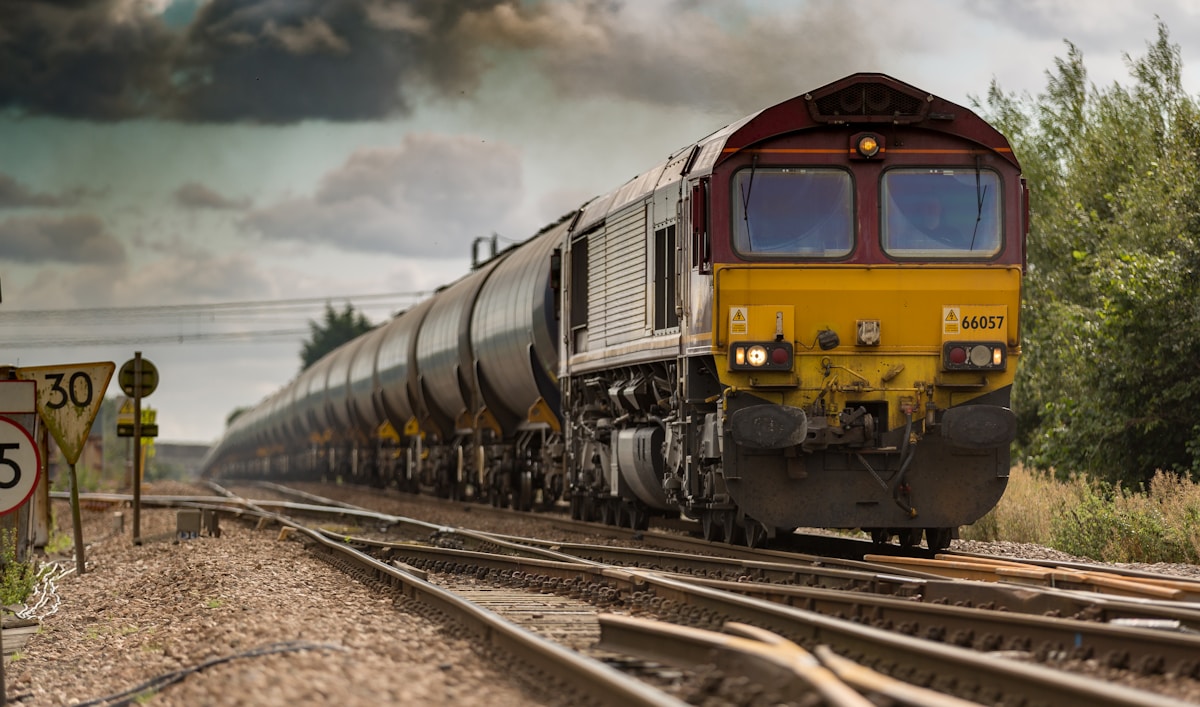 🇮🇹 Mondiali 2026 Italia
Trasporti tra le Città USA dei Mondiali 2026: Aereo, Treno e Auto a Confronto
Seguire due partite in città diverse? Ecco come spostarsi tra le sedi americane dei Mondiali 2026: voli intern...
 📋 Football2026 Tactics
2026 Industry Analysis: Calculadora de Parlay — Odds Combinadas y Premios (Day 3 Guide)
Why experts rely on Calculadora de Parlay — Odds Combinadas y Premios on Football2026 Tactics. Discover essent...
📈 FootballBet Center
2026 Industry Analysis: Parlay Calculator — Gecombineerde Odds en Uitbetaling (Day 3 Guide)
Why experts rely on Parlay Calculator — Gecombineerde Odds en Uitbetaling on FootballBet Center. Discover esse...