World Cup 2026 Fan Zones Explained: Free Screens, Locations and What to Expect

- Primary Signal: World Cup 2026 Fan Zones Explained: Free Screens, Locations and What to Expect
- Overview: FIFA Fan Zones are the free heart of World Cup 2026 in every host city: giant screens, music, food and thousands of fans together. Here is how they work and how to enjoy them....
- Verification: Analyzed and compiled by 2026 World Cup Central editorial monitoring desk.
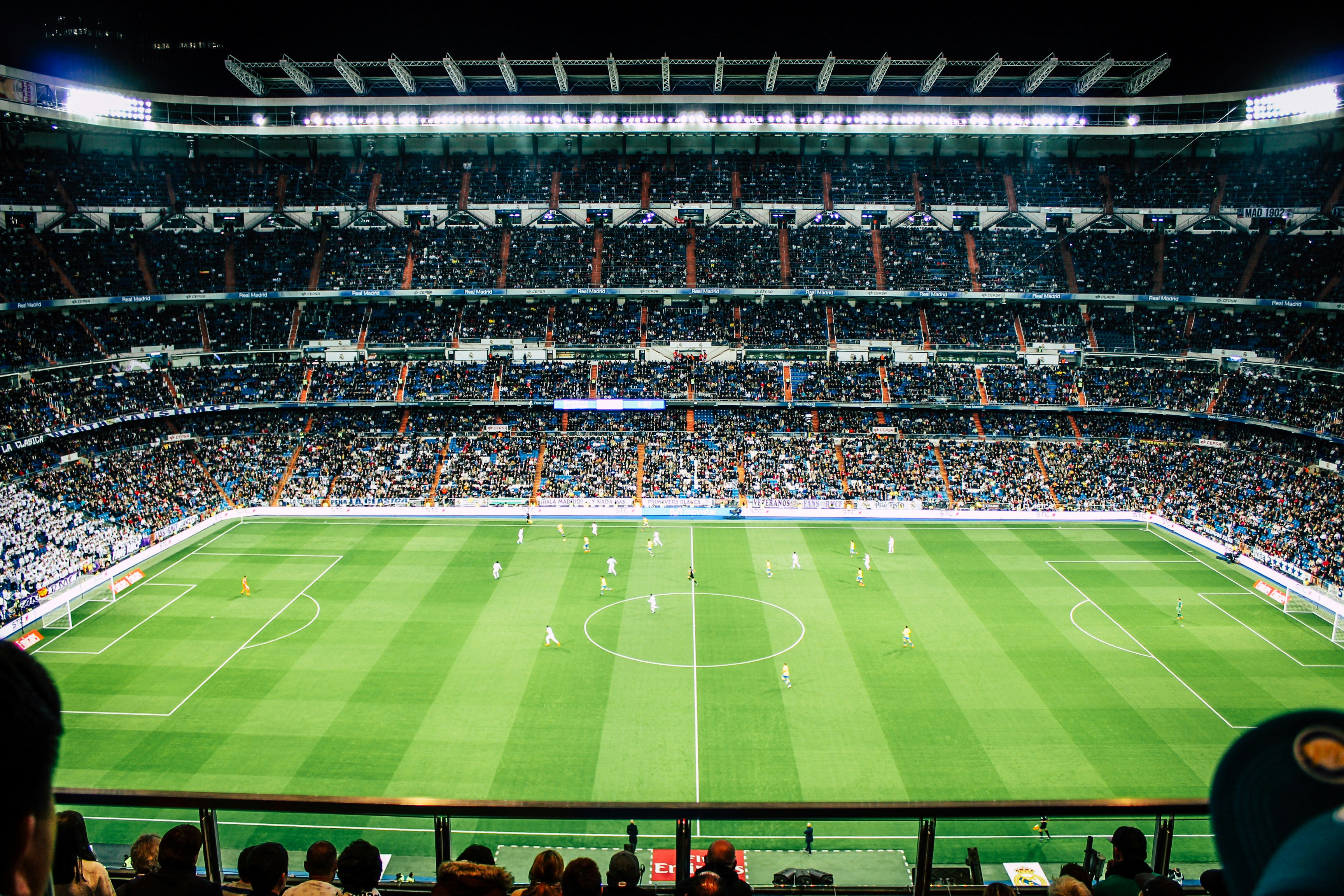
Not every fan who travels to the 2026 World Cup will have a ticket for every match, and many will not have a ticket at all. That is where fan zones come in: large, open-air areas in each host city where matches are shown on giant screens, free of charge, in front of crowds that can run into the tens of thousands. Fan zones have become one of the defining features of modern World Cups, and in 2026, with 16 host cities across three countries, they are the most accessible way to experience the tournament live.
This guide explains what a FIFA Fan Zone actually is, where to find one, what to expect on the day, and how to make the most of the experience. Whether you are travelling on a budget, following a team whose matches are sold out, or simply want to soak up the atmosphere of a host city, the fan zone deserves a place in your plans.
A FIFA Fan Zone is an official public viewing area, organised in partnership with the host city, where matches are broadcast live on giant screens with professional sound, commentary and a festival atmosphere around them. Alongside the screens you will typically find food and drink stalls, sponsor activities, live music before and after matches, and family areas with entertainment for children. Entry is generally free, although some venues may require a free ticket or operate on a first-come, first-served basis on the busiest days.
The atmosphere is the main attraction. Thousands of fans from different countries gather in one place, waving flags, singing songs and sharing the tension of a close match, and the experience can rival being inside the stadium, especially for a big game. Fan zones are also more relaxed than stadiums: you can come and go, watch more than one match in a day, and meet supporters from all over the world. For many fans, the memories made in a fan zone, the strangers who became friends over a shared goal, are the ones that last longest.
Each of the 16 host cities stages its own fan zone, usually in a central, symbolic location: a historic square, a waterfront park or a large public space that is easy to reach by public transport. In Mexico, the best-known locations include the Zocalo in Mexico City, Plaza Liberacion in Guadalajara and the Macroplaza in Monterrey, while in the United States and Canada, cities choose parks and downtown spaces that can hold large crowds safely. Exact locations and opening hours are published by each host city as the tournament approaches, so check the official city channels before you travel.
Beyond the official fan zones, every host city offers countless informal alternatives: bars and restaurants showing every match, neighbourhood pubs adopted by particular national fan groups, and watch parties organised by supporters' clubs. In cities with large immigrant communities, such as New York, Los Angeles, Houston and Miami, it is easy to find a venue dedicated to your team, where the atmosphere feels like a home game far from home. Asking at your hotel or checking supporters' groups online is the best way to find these hidden gems.
Arrive early for big matches, because the best viewing spots fill quickly and entry checks, similar to stadium security, can create queues. Bring water, sunscreen and a hat if the fan zone is outdoors, since June and July in North America can be very hot, and wear comfortable shoes, because you will be standing for long periods. Travel light: large bags may be searched or refused, and a charged phone is essential for meeting friends, checking fixtures and sharing the experience.
Finally, treat the fan zone as a full day out rather than just a place to watch a match. Explore the host city in the hours before kick-off, arrive in time for the pre-match entertainment, and stay after the final whistle for the celebrations or the commiserations. Alternating stadium days with fan zone days is a smart strategy for a long trip: it saves money, saves energy and lets you experience the tournament the way most local fans do, in the squares and parks where the World Cup becomes a city-wide festival.
📖 Continue Reading the Full Story
Continue reading this article on 2026 World Cup Central.
⚡ Access Full Content NowMore from 2026 World Cup Central
 🇮🇹 Mondiali 2026 Italia
2026 World Cup Host Cities: Temp Staff, Call Centers, or AI — What Won?
Temp hires, call centers, or AI voice? A retrospective comparison of the three phone-coverage models used acro...
 🏆 WorldCup2026 Cities
World Cup 2026 Hotels Near Stadiums: How to Book Without Overpaying
Hotel prices near World Cup 2026 stadiums rise fast. Here is how to book smart: location, cancellation terms a...
 ⚽ Global Football Odds
How to Read World Cup 2026 Futures Odds: A Complete Bettor’s Guide
World Cup 2026 futures odds reward bettors who can read them properly. Learn the American odds format with wor...
 🏆 2026 Football Online
How VAR and Semi-Automated Offside Will Work at World Cup 2026
World Cup 2026 will use video review and semi-automated offside technology. Here is what VAR can and cannot ch...