World Cup 2026 Host Cities Ranked by Atmosphere, Transport and Matchday Experience
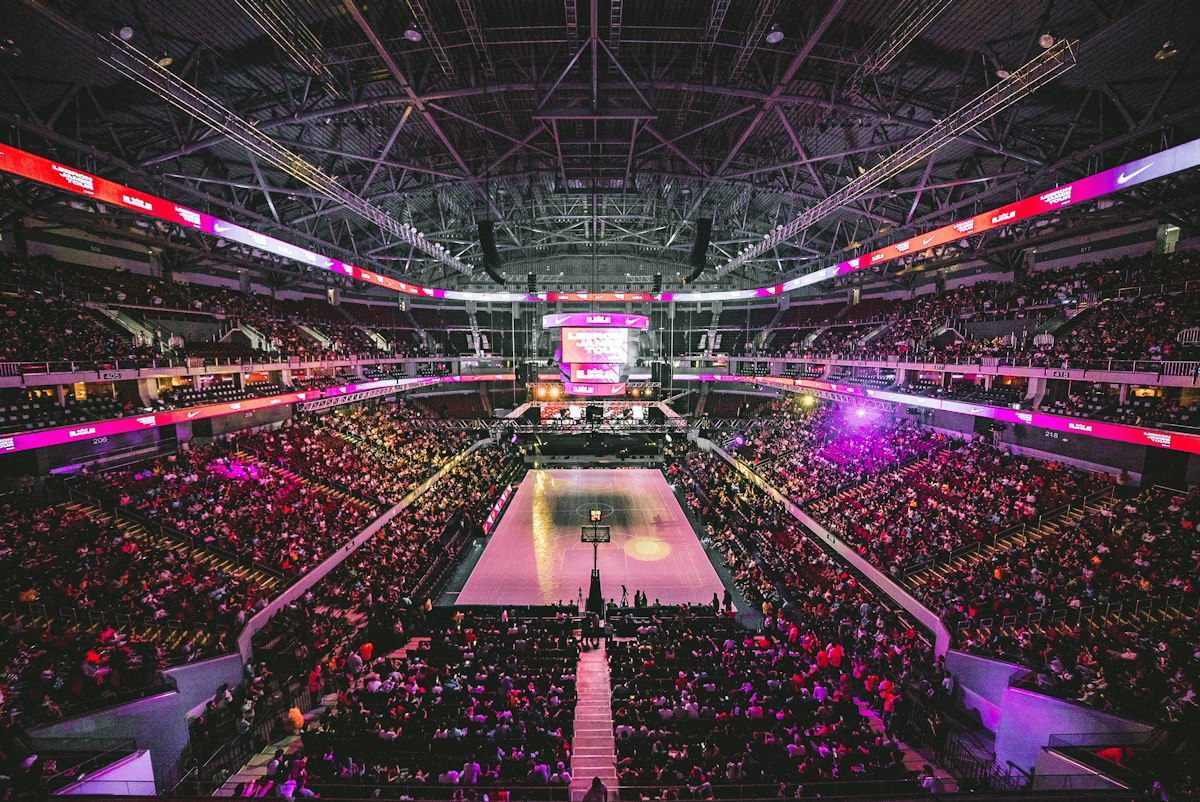
- Primary Signal: World Cup 2026 Host Cities Ranked by Atmosphere, Transport and Matchday Experience
- Overview: Sixteen cities hosted 104 matches, but the fan experience varied wildly — here is how the venues compared....
- Verification: Analyzed and compiled by 2026 World Cup Central editorial monitoring desk.
Sixteen host cities, three countries, 104 matches and 39 days: the 2026 World Cup was the largest ever staged, and no two host cities offered the same experience. Writers who visited all 16 venues during the tournament rated them on matchday experience, atmosphere, transport and location, aesthetics and suitability for soccer. The results were revealing. The best atmospheres were not always in the biggest stadiums, and the worst transport experiences were not always in the smallest cities.
The first lesson from the rankings is that location matters more than capacity. MetLife Stadium, the final venue, scored 9 out of 10 for atmosphere but just 3 out of 10 for transport and location, dragging its total to 30 out of 50, the lowest of any venue. Its problem was isolation: it sits in the Meadowlands, miles from Manhattan, in an area fans visit for the game and nothing else, with parking slashed by FIFA's security perimeter and public transport costs reportedly rising to almost 100 dollars on matchdays. A huge stadium does not guarantee a good day out if getting there is a chore.
The second lesson is that the stadium name can mislead you. Gillette Stadium is in Foxborough, not central Boston; Levi's Stadium is in Santa Clara, not San Francisco; AT&T Stadium is in Arlington, not Dallas proper; and MetLife is in East Rutherford, not New York City. Fans who booked hotels based on the host city label rather than the stadium's real address often found themselves with a longer journey than expected. The smartest travelling fans planned around the stadium address, not the marketing name, and built in buffer time for security perimeters and post-match transport surges.
The third lesson is about regional clusters. The 16 cities naturally divide into groups: the Pacific Northwest pairing of Vancouver and Seattle, the California cluster of Los Angeles and the San Francisco Bay Area, the Mexican trio of Mexico City, Guadalajara and Monterrey, the central group of Dallas, Houston and Kansas City, and the north-east corridor of Boston, New York/New Jersey and Philadelphia. Fans who picked one cluster and stayed in it, rather than chasing a team coast to coast, spent less on flights, changed hotels fewer times and missed fewer kick-offs. Vancouver to Miami is more than 2,700 miles by air; Seattle to Los Angeles is roughly 960 miles by road. Those are not day trips.
So which cities came out best? The venues that combined a good bowl, a city centre location and workable transport scored highest overall, while the isolated NFL-style venues with huge car parks but poor public links scored lowest, even when the football inside was superb. Dallas, with nine matches, the highest allocation of any city, gave travelling fans the most chances to see a game without moving hotels, while Guadalajara and Monterrey, with four matches each, rewarded fans who wanted concentrated Mexican football culture. The overall verdict of 2026 is simple: pick your matches first, pick your cluster second, and never judge a host city by its stadium's capacity alone.
One more part of the host-city experience deserves attention: the FIFA Fan Festivals. Every host city ran a free-entry festival with giant screens, food, drinks and atmosphere, and for many fans without tickets they were the best part of the trip. The festivals solved a real problem of the expanded tournament: with 104 matches spread across a continent, most fans could only attend a handful in person, but the festivals let them share the big nights with thousands of other supporters in the city they were staying in. The cities that invested most in their festival sites, with good transport links and sensible security planning, gave even ticketless fans a memorable World Cup. That, as much as any stadium ranking, is what travelling supporters remember when they choose whether to do it all again.
📖 Continue Reading the Full Story
Continue reading this article on 2026 World Cup Central.
⚡ Access Full Content NowMore from 2026 World Cup Central



 🏆 WorldCup2026 Cities
Vancouver Stadium and the 2026 World Cup: The Pacific Host City in Review
Vancouver's BC Place was the smallest stadium of the tournament, but the Pacific host city won fans over with ...
 ⚽ Global Football Odds
World Cup 2026 Betting Preview: What to Know Before the Tournament Kicks Off
The 2026 World Cup is the biggest ever — 48 teams, 16 host cities, and a new format that changes how bettors s...
 🏆 2026 Football Online
How Does the 2026 World Cup Format Work? 48 Teams, 12 Groups and the New Round of 32
The 2026 World Cup is the biggest ever: 48 teams, 104 matches, and a brand-new Round of 32. Here is a plain-En...
 ⚽ Football2026 Live
Kylian Mbappe: The Star Showcase of the 2026 World Cup
Ten goals, four assists and a place in history: Mbappe's 2026 World Cup was a star showcase even though France...