How to Plan a Two-City World Cup 2026 Trip Without Rushing
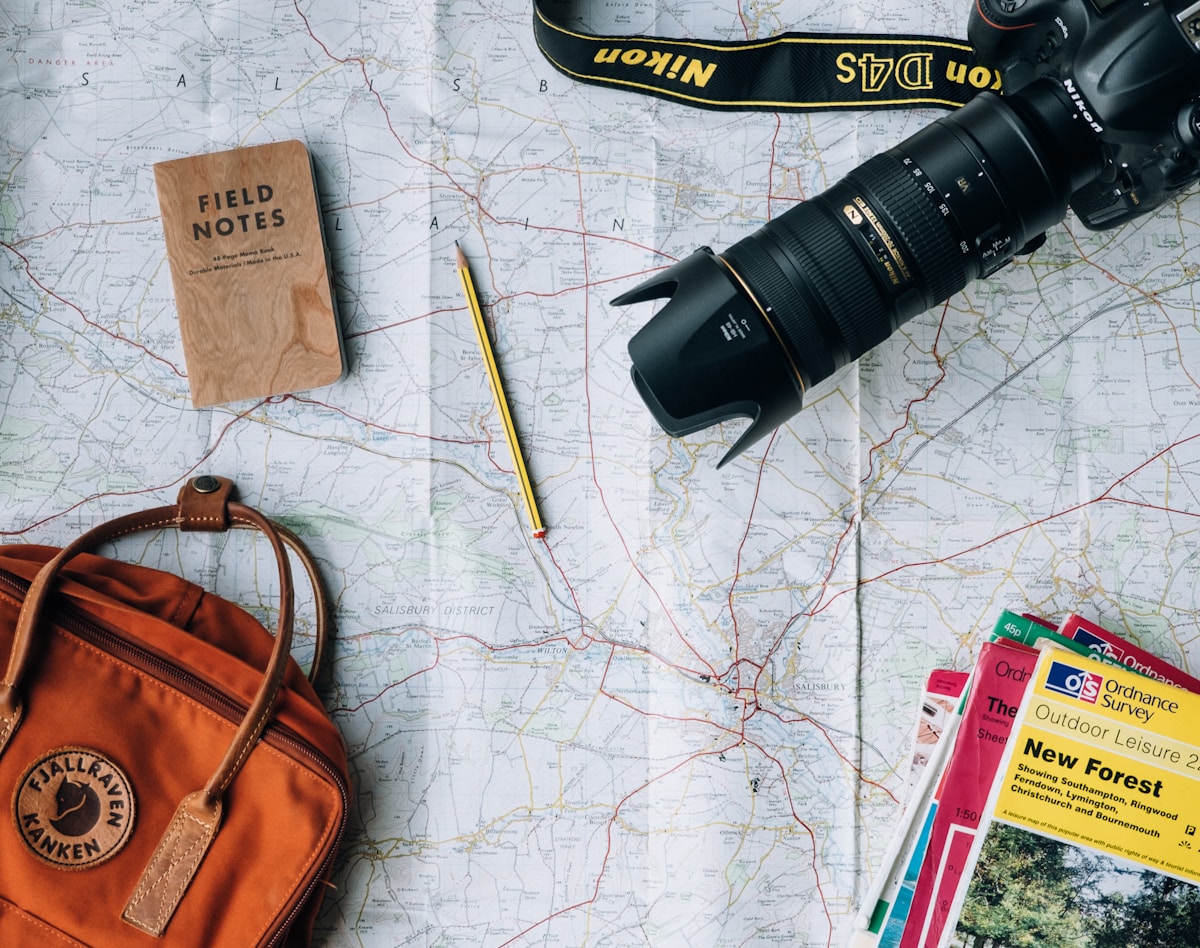
- Primary Signal: How to Plan a Two-City World Cup 2026 Trip Without Rushing
- Overview: Two host cities, two matches and one sane itinerary: how to combine World Cup games in different cities without spending your trip in transit....
- Verification: Analyzed and compiled by 2026 World Cup Central editorial monitoring desk.
Seeing World Cup matches in two cities sounds like the perfect trip, until you add up flights, hotel changes, stadium transfers and recovery time, and realise you have spent half your holiday in transit. The difference between a memorable two-city trip and an exhausting one is not budget alone: it is choosing cities that pair well, spacing matches sensibly, and building rest into the plan. This guide shows how to pick a workable pair of cities, how to move between them efficiently, and how to enjoy both places rather than merely passing through them on the way to a stadium.
The best two-city combinations are close together, well connected by direct flights or trains, and different enough to feel like two trips in one. Pairs within the same region, such as two eastern cities or two western cities, save hours compared with crossing the continent between matches. Also consider time zones: moving between eastern and Pacific cities costs you three hours and a day of adjustment, while staying within one or two zones keeps your body clock steady. Finally, check that both cities offer something beyond football, whether food, museums, nature or nightlife, because the days between matches are when a trip becomes a holiday rather than a fixture list.
The golden rule of a two-city trip is to leave at least one full day between matches, ideally two. A matchday is long and tiring: travel to the stadium, hours in crowds, late return, and the emotional high or low of the result. Travelling to a new city the morning after a night game compounds that fatigue, and you will arrive too tired to enjoy the next match. Build the itinerary backwards from the second match: arrive in the second city the day before it, and treat the travel day as a light day with no major sightseeing. If your matches are only a day apart, consider whether one city is truly worth the rush, or whether a fan zone in the first city would serve you better.
For most city pairs, a short domestic flight is fastest, but budget the full door-to-door time, not just the flight: airport arrival, security, baggage, and the journey from the second airport to your hotel can easily triple the headline time. Where trains exist, they are often more relaxing and city-centre to city-centre, which can make them faster overall. Book transfers in advance where possible, and avoid the trap of the cheapest hotel far from transport: a central hotel that costs slightly more usually saves money on taxis and time. Pack light enough to move cities with one bag each, because hauling large suitcases through airports and stations drains energy quickly.
For a two-city trip, two hotels are unavoidable, but the split matters. Spend more nights in the city you are most excited about, and choose the second hotel for location over luxury, since you will use it mainly as a base for one match. Look for free cancellation, because fixture schedules and travel plans can shift, and confirm check-in times against your arrival: arriving before check-in with luggage is a common frustration. If you travel with friends, an apartment in one city and a hotel in the other can balance cost and comfort. Keep all bookings, tickets and transport confirmations in one shared folder, so nobody is searching emails at the airport.
The final ingredient is to treat each city as a destination, not a backdrop. Plan one signature experience per city that has nothing to do with football: a famous market, a waterfront walk, a local restaurant recommended by residents, or a neighbourhood worth wandering. Leave unscheduled time for discoveries, because the best travel stories come from unplanned detours, not from ticking off attractions. Talk to locals and fellow fans about what they love in their city: host-city residents during a World Cup are usually proud and generous with advice. Done well, a two-city trip gives you two sets of memories, two favourite places, and a reason to return to both.
📖 Continue Reading the Full Story
Continue reading this article on 2026 World Cup Central.
⚡ Access Full Content NowMore from 2026 World Cup Central


 🏆 WorldCup2026 Cities
World Cup 2026 Budget Trip Planning: Costs Breakdown for Fans
World Cup 2026 budget trip planning with a full costs breakdown: flights, tickets, hotels, food and transport,...
 ⚽ Global Football Odds
World Cup 2026 Betting Markets Explained: Beyond the Match Winner
With 48 teams and three host countries, the 2026 World Cup betting menu is bigger than ever. From outrights to...
 🏆 2026 Football Online
How Does the 2026 World Cup Format Work? 48 Teams, 12 Groups and the New Round of 32
The 2026 World Cup is the biggest ever: 48 teams, 104 matches, and a brand-new Round of 32. Here is a plain-En...
 ⚽ Football2026 Live
Kylian Mbappe: The Star Showcase of the 2026 World Cup
Ten goals, four assists and a place in history: Mbappe's 2026 World Cup was a star showcase even though France...